
The Merger of Industry and Technology
As industries face the pressing need to innovate, Machine Learning stands at the forefront of this transformation, reshaping the realm of Smart Manufacturing. With the onset of the fourth industrial revolution, companies across various sectors are increasingly leveraging cutting-edge technologies to enhance production efficiency, increase adaptability, and drive innovation.
The fusion of traditional manufacturing practices with advanced digital technologies opens up a plethora of opportunities for enhancement. This technological revolution encompasses several vital components:
- Automation: Automated machinery equipped with Machine Learning algorithms can learn and adjust to different production scenarios, which significantly streamlines processes. For instance, automated guided vehicles (AGVs) can optimize routes in real-time based on both demand and traffic, leading to faster delivery times.
- Data Analytics: Utilizing data gathered from every stage of manufacturing provides real-time insights that improve decision-making. By analyzing operational data, organizations can forecast trends, adjust to supply chain disruptions, and make informed resource allocation decisions, ultimately leading to cost savings.
- Internet of Things (IoT): The integration of connected devices within manufacturing plants enables a more intelligent and responsive manufacturing system. For example, sensors on machinery can monitor performance and report issues to management before they escalate, preventing costly downtimes.
Industry leaders recognize that embracing these technological advancements is crucial for maintaining a competitive edge. With Machine Learning, companies can:
- Predict equipment failures: Advanced predictive maintenance algorithms identify patterns indicative of potential failures, allowing for proactive maintenance strategies that minimize unplanned downtime.
- Reduce waste: Optimized resource management systems harness data to minimize excess materials and energy usage, promoting sustainability and cost efficiency.
- Enhance product quality: Through advanced analytics, manufacturers can conduct real-time quality control, directly identifying defects in the production line and addressing them before products reach the consumer.
The future of manufacturing extends beyond mere technological integration; it embodies how organizations reinterpret and weave these innovations into their operational fabric. As the line between the physical and digital realms continues to dissolve, the impending evolution of manufacturing promises to redefine efficiency and sustainability at unprecedented levels.
For businesses in the United States, the adoption of these technologies is not just optional but rather a necessary evolution to meet the market’s dynamic demands. Investing in training for employees to work effectively with these new systems is also becoming a priority, ensuring that human talent and technology work harmoniously together.
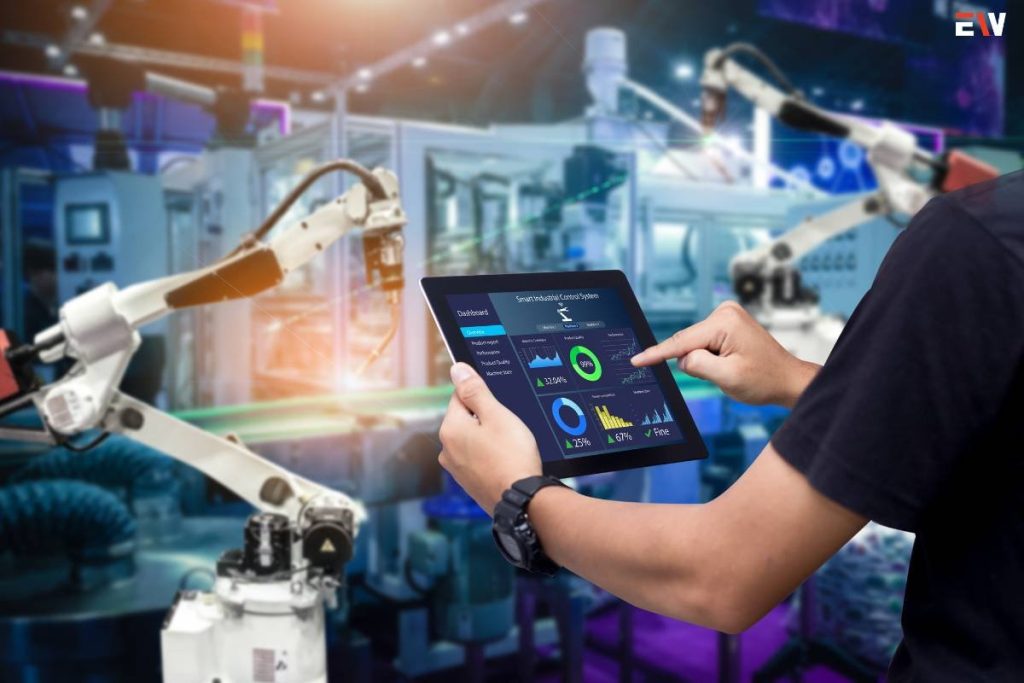
As this landscape continues to evolve, the potential for Smart Manufacturing to reshape the future remains boundless. By exploring advanced technologies, manufacturers can unlock new realms of operational excellence that were previously unimagined, setting the stage for a more innovative and efficient future.
DISCOVER MORE: Click here to dive into the future of urban mobility
Transforming Production: The Role of Machine Learning
The integration of Machine Learning into manufacturing processes is a game-changer, revolutionizing the way industries operate. By harnessing the power of data and advanced algorithms, companies can not only enhance productivity but also drive innovation across the entire production lifecycle. The significance of Industry 4.0—with its emphasis on connectivity, data exchange, and smart technology—cannot be overstated, as it marks a critical turning point for manufacturers seeking to adapt to the modern market landscape.
One of the cornerstones of Smart Manufacturing is the collection and analysis of large datasets. In fact, according to a report by McKinsey, manufacturers that effectively utilize data analytics could potentially unlock up to $3 trillion in economic value annually by 2030. This staggering figure underscores the importance of leveraging Machine Learning techniques to derive actionable insights from data.
Machine Learning offers numerous capabilities that directly correspond with the challenges faced in traditional manufacturing environments. The following aspects exemplify how this technology transforms operational efficiency:
- Enhanced Forecasting: Machine Learning algorithms can sift through historical and real-time data to predict demand fluctuations accurately. This allows companies to adjust production schedules proactively, reducing excess inventory and minimizing stockouts.
- Quality Assurance: By implementing machine vision systems powered by Machine Learning, manufacturers can automate quality control processes. These systems can identify defects and inconsistencies in products with a precision that surpasses human inspection, ensuring that only high-quality items reach the consumer.
- Supply Chain Optimization: Machine Learning models can analyze every facet of the supply chain, identifying bottlenecks and inefficiencies in the process. These insights empower organizations to optimize logistics, forecast lead times, and improve vendor relationships.
The transition into Smart Manufacturing necessitates a shift in how employees perceive their roles. Rather than viewing Machine Learning as a replacement for human labor, industry leaders advocate for a collaborative approach where technology complements human skills. A recent study by Deloitte indicated that around 70% of manufacturing executives believe that human-machine collaboration will enhance their productivity.
Moreover, the investment in employee training becomes paramount. As technologies evolve, ensuring that workers are equipped with the necessary skills to work alongside intelligent machinery is essential for maintaining an adaptive workforce. The U.S. manufacturing sector, known for its innovation, must prioritize education and training initiatives to empower employees and maximize the potential of Machine Learning.
As we delve further into the implications of Industry 4.0 on manufacturing practices, it becomes clear that the interplay between technology and human expertise will define the sector’s future. The capabilities afforded by Machine Learning are set to enhance productivity, improve quality, and drive sustainability, ensuring that the manufacturing industry remains an integral part of the global economy.
In the rapidly evolving landscape of manufacturing, the integration of Machine Learning (ML) within the framework of Industry 4.0 signifies a transformative shift towards smarter, more efficient production processes. Machine Learning harnesses vast amounts of data generated throughout the manufacturing cycle, enabling real-time adjustments, predictive maintenance, and enhanced quality control.One key advantage of ML integration is the ability to conduct predictive analytics. By analyzing historical data and patterns, manufacturers can foresee equipment failures before they happen, significantly reducing downtime and maintenance costs. This proactive approach not only enhances operational efficiency but also prolongs the lifespan of machinery—key factors contributing to a leaner manufacturing model.Moreover, ML algorithms optimize supply chain operations by predicting demand fluctuations. By leveraging these analytics, manufacturers can reduce overstock and stockouts, leading to substantial cost savings. Additionally, smart factories utilize machine learning for demand forecasting, allowing for more agile responses to changing market conditions, which, in turn, promotes sustainability and resource conservation.The marriage of Machine Learning and Industry 4.0 also fuels innovation through enhanced product design and development. With ML tools at their disposal, designers can analyze consumer preferences and market trends more effectively, creating products that better meet customer needs. This responsiveness to market demands not only fosters customer satisfaction but also drives competitive advantage in an increasingly crowded marketplace.Furthermore, the application of ML extends to workforce optimization. By analyzing employee performance and workflow patterns, organizations can identify skill gaps and areas for improvement, leading to targeted training programs. Such investments in human capital support the transition to automated processes, ensuring that the human workforce remains an essential component of the smart manufacturing ecosystem.As manufacturers continue to embrace these advanced technologies, the potential for growth and efficiency increase exponentially. The integration of Machine Learning within the Industry 4.0 framework not only revolutionizes how products are manufactured but also redefines the very nature of production—from traditional methods to a connected, intelligent network of systems. The journey into smart manufacturing is just beginning and promises to yield substantial benefits for those who dare to innovate and adapt.
DISCOVER MORE: Click here to learn about the future of automation
Driving Innovation: The Future of Manufacturing with Machine Learning
The transition to Smart Manufacturing through the adoption of Machine Learning does not stop at increasing productivity and efficiency; it also serves as a catalyst for innovation across various sectors of the manufacturing industry. With each advancement in technology, new opportunities arise, particularly in areas like product design, customization, and sustainability.
One of the notable trends in Smart Manufacturing involves the use of Machine Learning for predictive maintenance. By equipping machinery with sensors that gather operational data, manufacturers can employ algorithms to analyze equipment performance continuously. This proactive approach minimizes unplanned downtimes, as potential issues can be identified and addressed before they escalate into costly failures. In fact, research by IBM suggests that predictive maintenance can reduce maintenance costs by as much as 25% while improving equipment lifespan by 20%. This shows the significant impact of leveraging data analytics in shaping a more sustainable and efficient manufacturing environment.
Moreover, Machine Learning facilitates the trend of mass customization, enabling manufacturers to cater to ever-changing consumer preferences without sacrificing efficiency. Advanced algorithms can analyze customer data, identify preferences, and suggest personalized product designs. A prime example can be found in the automotive sector, where companies like Ford and BMW are using machine learning to tailor vehicle features per individual customer specifications, ultimately maximizing customer satisfaction while minimizing excess inventory.
The benefits of Machine Learning extend beyond operational efficiency and customer satisfaction; it also plays a fundamental role in promoting sustainability within the manufacturing sector. With increasing pressure from consumers and regulators to adopt greener practices, manufacturers are turning to Machine Learning for insights into energy consumption and waste reduction. By identifying patterns in resource use and emissions, companies can implement targeted interventions, optimize resource allocation, and successfully reduce their environmental footprint.
In addition, the adoption of Machine Learning in the realm of supply chain management cannot be overlooked. By analyzing data from multiple sources, manufacturers can predict disruptions and fluctuations in the supply chain more accurately. The “just-in-time” (JIT) manufacturing model benefits from real-time analytics, ensuring that essential components arrive precisely when needed. This not only minimizes storage costs but also enhances overall agility in responding to market demands, making businesses more competitive.
Furthermore, companies across the United States are beginning to realize the potential of Machine Learning to enhance workforce safety. Technologies such as augmented reality (AR) powered by Machine Learning provide operators with real-time safety alerts and training simulations, helping to mitigate hazards in the workplace. This innovative approach to worker safety supports a healthier work environment and promotes long-term employee engagement, an essential factor in retaining a skilled workforce.
The integration of Machine Learning into manufacturing practices is indeed profound, embodying a pivot towards a new era of operations that promotes efficiency, customization, sustainability, and safety. As companies continue to embrace Industry 4.0, the potential for transformative change in manufacturing practices appears unlimited, compelling industry leaders to consistently innovate while navigating the intricacies of this technological revolution.
DIVE DEEPER: Click here to learn more
Conclusion: Embracing a New Era of Manufacturing
The advent of Machine Learning within the framework of Industry 4.0 has undeniably positioned the manufacturing sector at the brink of a revolutionary transformation. As explored throughout this article, the integration of intelligent algorithms in manufacturing processes enhances efficiency and productivity, while simultaneously driving innovation in areas like predictive maintenance, mass customization, and sustainability initiatives. The proactive shift towards data-driven decision-making is not only reengineering production lines but is also reshaping deeper components of supply chain management and workforce safety.
As the United States steers towards a more digitized future, the potential of Machine Learning to explore new possibilities and optimize existing processes becomes increasingly significant. Each advancement opens the door to tailored solutions that respond to the diverse needs of consumers and the demands of the global market. More importantly, the focus on sustainability and responsible resource management reflects a broader understanding of corporate responsibility, aligning manufacturing practices with modern environmental and social standards.
Ultimately, the ongoing journey towards Smart Manufacturing hinges on innovation and adaptability. The companies that embrace this technological revolution and utilize Machine Learning as a strategic asset will likely lead the pack in the next industrial wave, setting new benchmarks for success and resilience. The future of manufacturing is not just about making products; it’s about creating smarter solutions that drive long-term growth and environmental stewardship. As industry leaders continue to explore the vast capabilities of Machine Learning, one thing is clear: the revolution of Smart Manufacturing is just beginning, and the opportunities it presents are expansive and exhilarating.